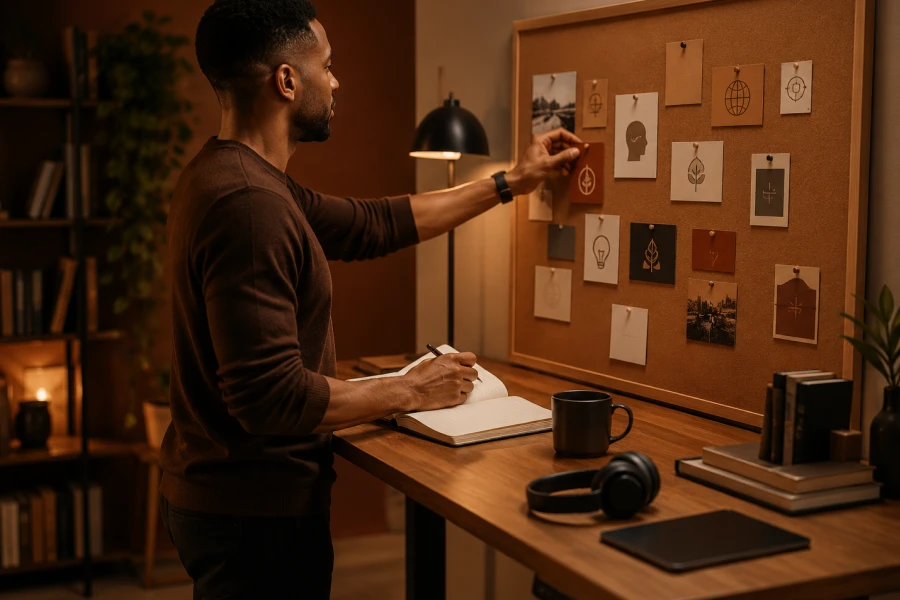
Human skills in the age of ai are becoming more important, not less. As tools handle more routine work, people notice the qualities machines cannot fully copy. Trust matters. Judgment matters. Empathy matters. Taste matters. The ability to understand context matters deeply. These strengths turn information into better choices. They also help teams stay connected when processes change quickly. The future does not reward people who ignore technology. It rewards people who combine tool literacy with emotional intelligence. Your advantage grows when you strengthen what still needs a thoughtful human behind it.
Trust is one of the hardest things to automate. A tool can produce a polished message. It cannot fully understand the relationship behind that message. It cannot know when a client needs reassurance instead of efficiency. It cannot feel when a team conversation requires patience. People who sense these details create confidence. That confidence affects retention, collaboration, and leadership. A workplace with better tools still needs better people. This is why future-ready workplace thinking must include soft skills. Human value shows up most clearly when stakes are personal.
Emotional intelligence is often described too softly. In practice, it improves performance. It helps you notice tension before it becomes conflict. It helps you receive feedback without becoming defensive. It helps you lead conversations with more care. These abilities save time because they reduce misunderstanding. They also protect morale during difficult changes. A professional who manages emotion well can guide others through uncertainty. That is not a decorative strength. It is operationally useful. When paired with professional reinvention, it becomes a serious career advantage. People want to work with calm, capable colleagues.
Collaboration changes when information moves faster. Teams may receive more drafts, more data, and more possible directions. Without human coordination, that abundance becomes noise. Someone must decide what matters. Someone must connect ideas across roles. Someone must make sure people understand the same goal. Your ability to listen and clarify becomes extremely valuable. So does your willingness to challenge weak ideas respectfully. Strong collaboration turns tool output into team progress. It also prevents speed from becoming confusion. A shared reskilling roadmap can help teams grow together instead of separately.
Judgment sits at the center of modern work. You need to decide whether an answer is accurate. You need to know whether a recommendation fits the audience. You need to identify what could go wrong. Automation can support these decisions, but it cannot own them for you. That responsibility remains human. Strong judgment grows when you slow down at the right moments. It also grows when you learn from results. The best employees are not anti-technology. They are careful with consequences. They know speed only helps when the final decision is sound.
Creative work can now begin faster than ever. Tools can suggest concepts, outlines, captions, and variations. That speed is useful, but it can also flatten originality. Many outputs start sounding similar without human taste. Your perspective helps decide what feels fresh, relevant, or emotionally right. Taste comes from observation, experience, and cultural awareness. It also comes from understanding the people you serve. This makes human-centered growth important for creative professionals. You are not only generating options. You are choosing the direction that carries meaning.
Skills become stronger when they move from theory into routine. Choose one human skill to practice each week. You might improve listening in meetings. You might practice clearer explanations. You might review automated work for tone and accuracy. You might ask colleagues where collaboration feels slow. Each small practice creates proof that you are adapting. Over time, these habits reshape your professional identity. You become someone who handles change with care. That reputation matters. In a world full of faster tools, the person with better judgment, trust, and clarity stands out.




Leave a comment